Diamond will be the base for OpenBind, an AI-driven drug discovery centre which will make the UK a world-leader in drug innovation and advancement.
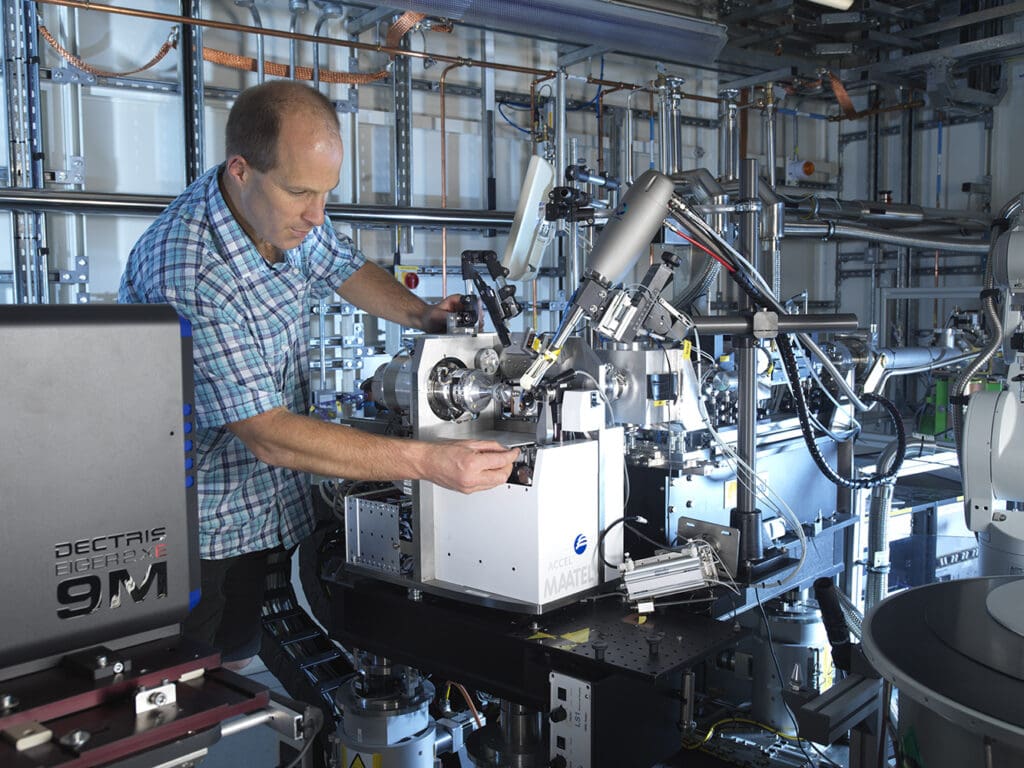
With its unparalleled XChem facilities, Diamond will be a global hub for AI-driven drug discovery. This will lead to the prospect of tackling previously untreatable diseases and dramatically reducing the cost of drug discovery and development. The project is backed by up to £8 million of investment from DSIT’s newly established Sovereign AI unit, a key driver in the government’s AI Opportunities Action Plan.
The consortium will close critical data gaps by using new AI models to find potential new drugs and help create better treatments for diseases. It will also help scientists use engineering biology to solve bigger problems, like making enzymes that can break down plastic waste.
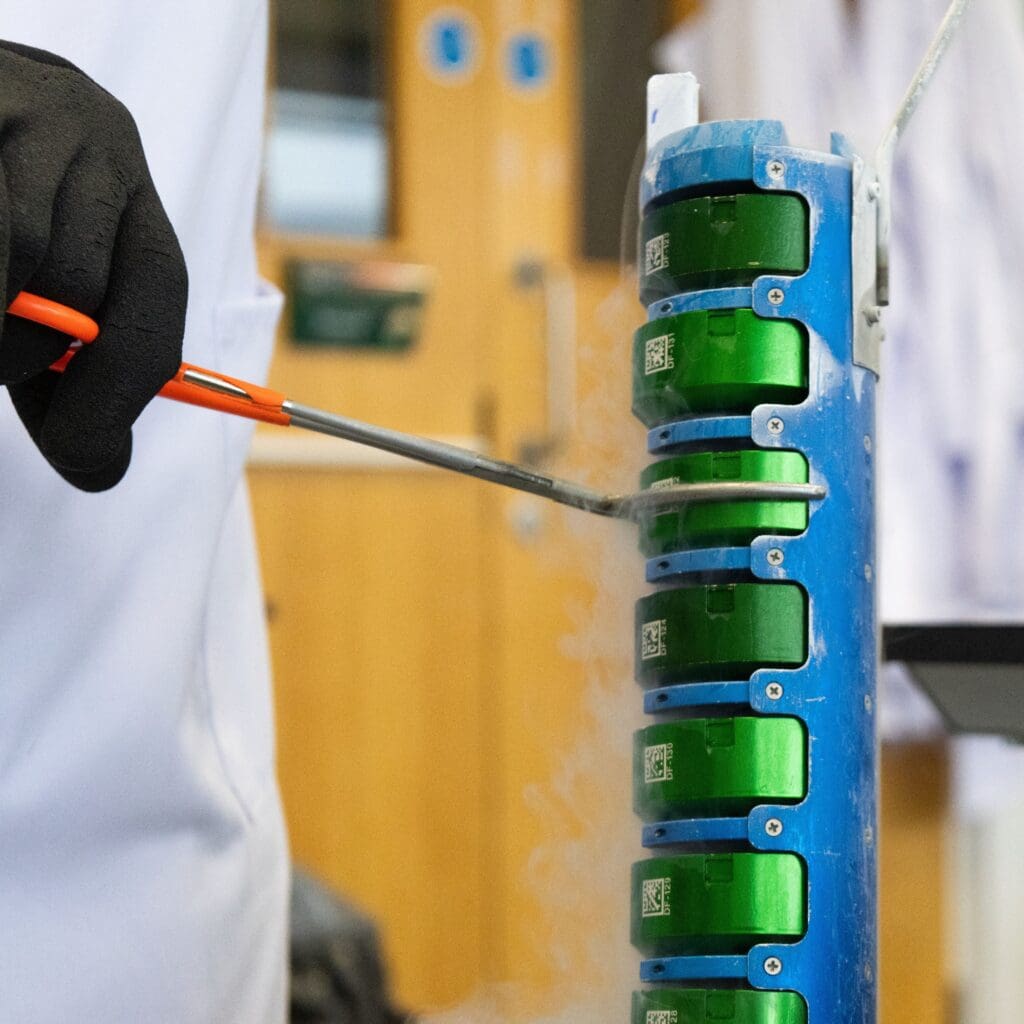
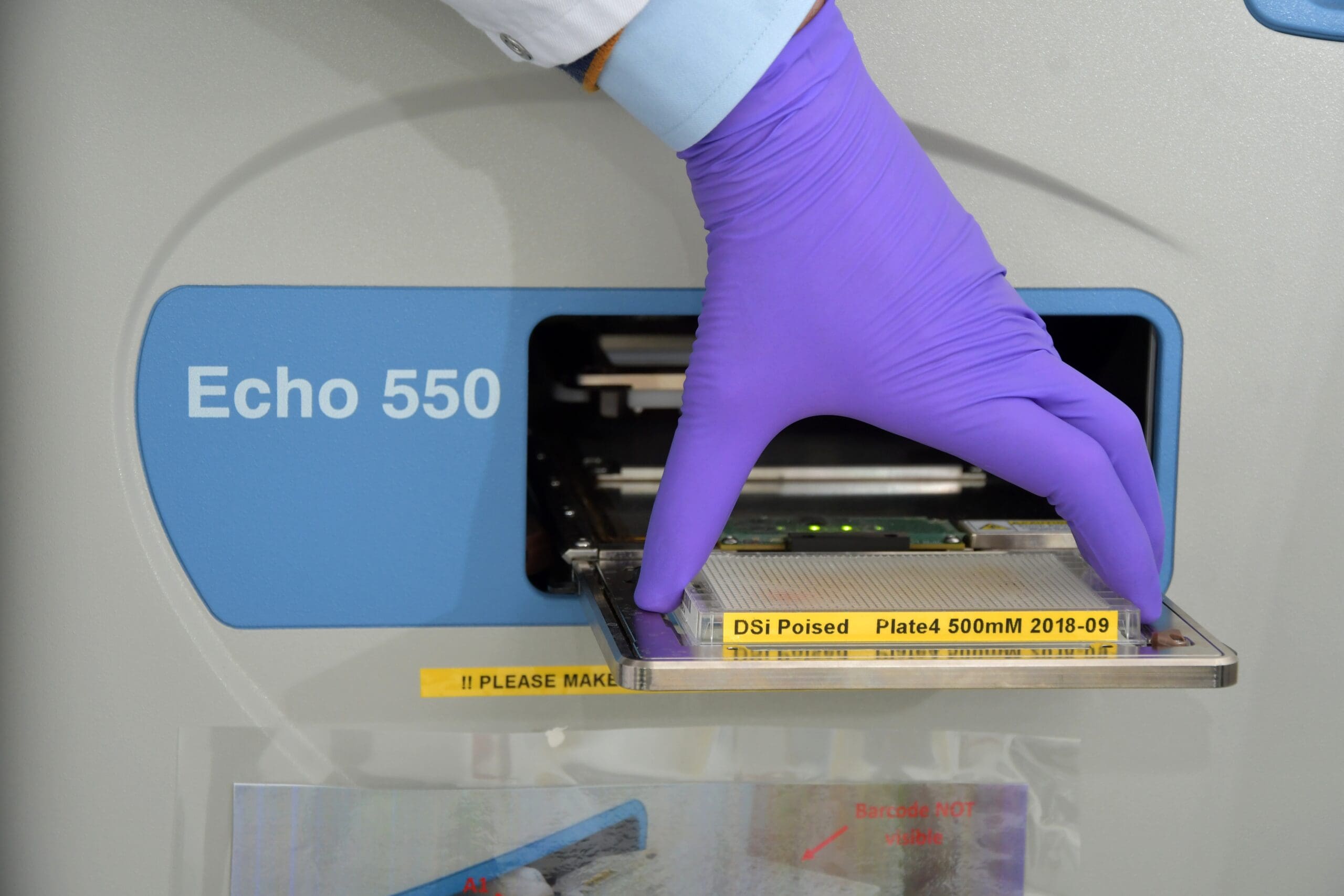
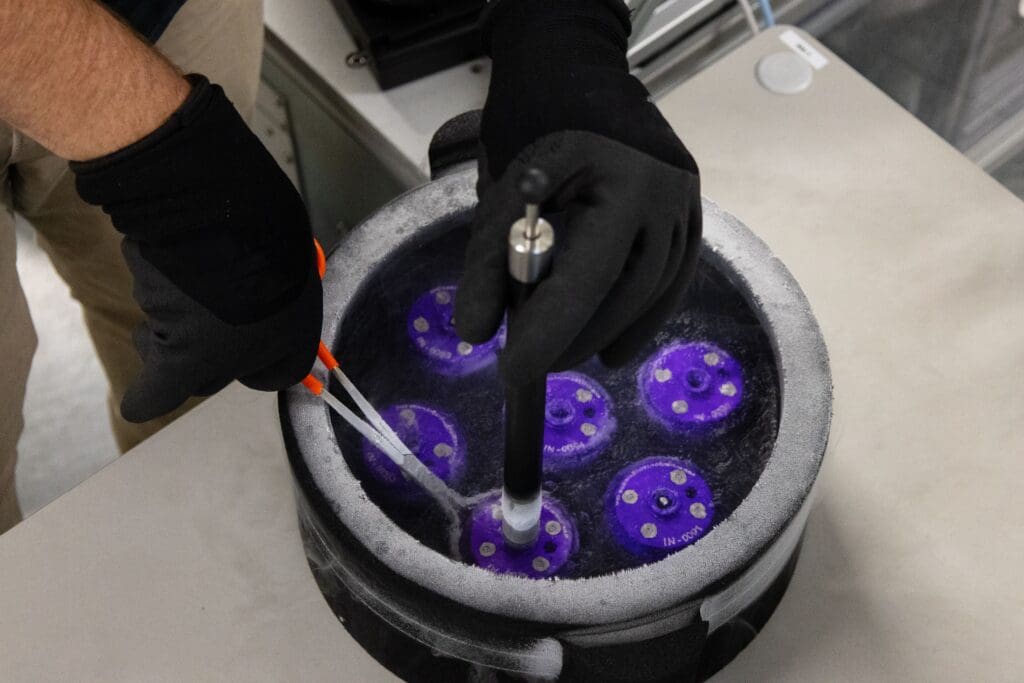
The main aim is to create the world’s largest collection of data on how drugs interact with proteins, the building blocks of the body. Using automated chemistry and high-throughput X-ray crystallography, the consortium will generate more than 500,000 protein-ligand structures over a period of five years. This is twenty times greater than anything collected in the last 50 years.
OpenBind will offer a core dataset that will drive progress across scientific and technological areas, including predicting molecular structures, designing new molecules and improving research workflows. It will work in tandem with other new methods in order to reduce trial-and-error experimentation, guide better decision-making, and support more efficient exploration of chemical possibilities
At Diamond Light Source, a joint venture between the UK government through STFC and the Wellcome Trust, we are proud to be at the forefront of the UK’s ambition to lead the world in AI-driven drug discovery. OpenBind represents an exciting step forward in harnessing our unique capabilities to generate the high-quality data that AI needs to revolutionise healthcare, helping to cement the UK’s position as a global hub for bioscience innovation.
Professor Gianluigi Botton, CEO of Diamond Light Source
The consortium will be led by some of the world’s leading scientific minds including Professor Frank von Delft, principal scientist of the macromolecular crystallography I04-1 beamline and the XChem facility at Diamond, as well as the University of Oxford’s Professor Charlotte Deane and Nobel laureate David Baker, head of the Institute for Protein Design at the University of Washington.
OpenBind is a unique double opportunity: whereas to date, we experimental scientists have generated data as a byproduct of answering our scientific questions, now we combine forces with AI scientists and produce the data their AIs actually need. And to do so, we will align several very different types of experiments, harnessing recent dramatic advances, including those we’ve achieved at Diamond. As this accelerates drug design, we will gain currently unthinkable ways to dissect how diseases work and what to do about them,
Professor Frank von Delft.
The launch of the consortium was announced during London Tech Week, where Peter Kyle, the Secretary of State for Science, Innovation, and Technology, highlighted OpenBind as an example of the government’s concerted effort to use technology and home-grown AI expertise to treat and overcome disease. With OpenBind based at Diamond, the facility will continue to be a leader in global bioscience and significantly contribute to the transformative abilities of AI and drug research.