OpenBind has successfully secured funding from the Gates Foundation, marking a significant milestone in the initiative’s mission to transform drug discovery through artificial intelligence.
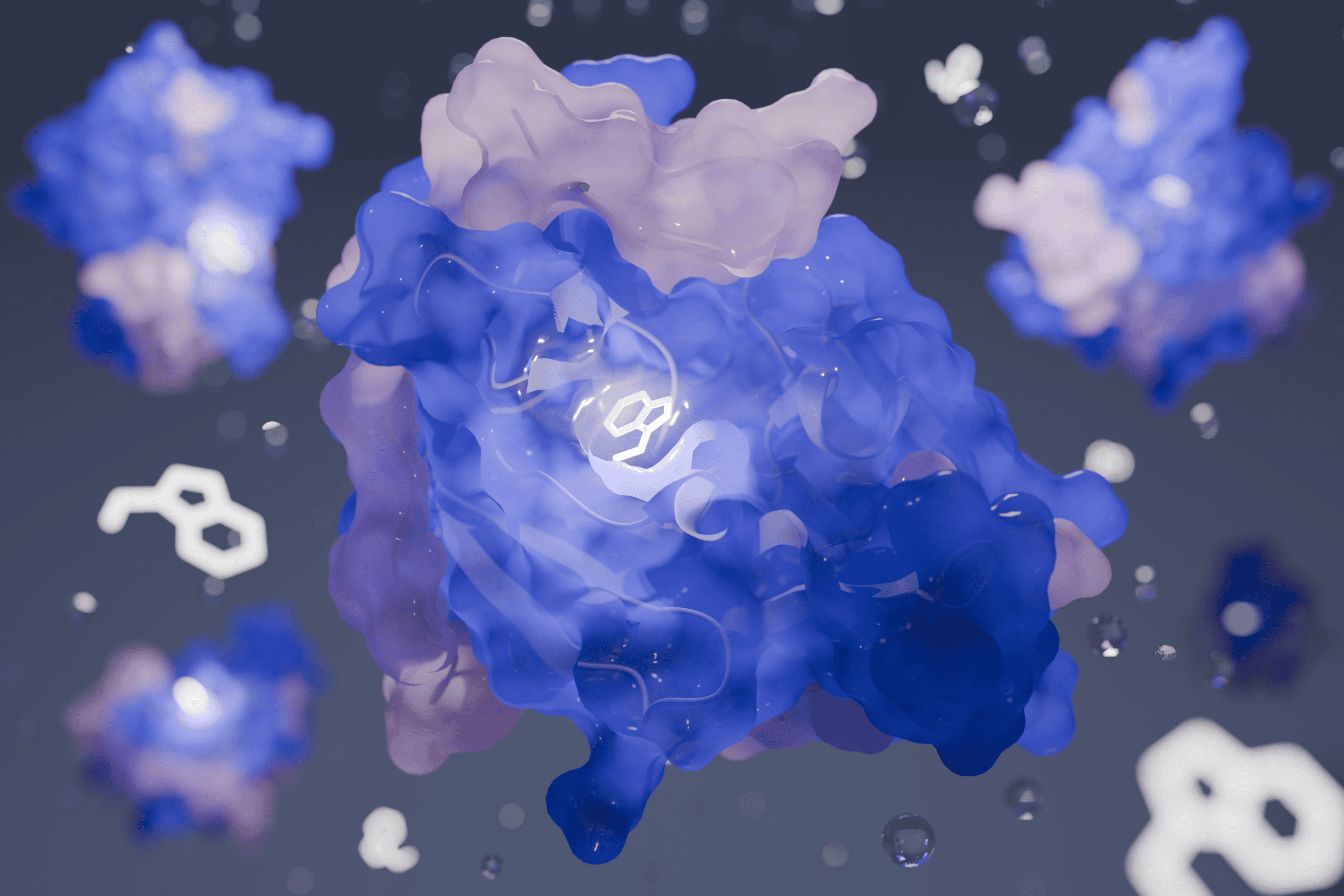
Led by Diamond in partnership with the University of Oxford and an international network of collaborators, OpenBind is building one of the world’s largest open-access datasets of protein–ligand interactions. By combining high‑throughput X‑ray crystallography, automated chemistry, and AI-ready data pipelines, the project is designed to address one of the biggest bottlenecks in drug discovery: the lack of high-quality experimental data.
The newly awarded Gates Foundation grant – valued at approximately $2.87 million and commencing in June 2026 – will support exploration of how OpenBind’s fragment‑based drug discovery approach can be applied to pressing global health challenges. These include diseases such as tuberculosis and malaria, as well as broader areas like non-hormonal contraceptive development.
This funding represents a strong endorsement of OpenBind’s potential to deliver real-world impact beyond foundational science. By focusing on high-priority global health programmes, the collaboration will assess how its large-scale, standardised datasets and AI-driven models can be generalised to new molecular targets of global importance.
The award builds on strong momentum for OpenBind. The consortium recently released its first experimental dataset and predictive AI model, demonstrating that high-quality, standardised data for machine learning in drug discovery can now be generated at scale.
This initial release included hundreds of experimentally validated protein–ligand structures, providing critical training data to improve the accuracy and reliability of AI models used in early-stage drug design.
OpenBind’s broader ambition is to generate more than 500,000 such structures over the coming years -dramatically expanding the global data resource available to researchers and enabling faster, more cost-effective development of new medicines.
The Gates Foundation funding will help translate this capability into tangible global health outcomes. By applying OpenBind’s approach to diseases that disproportionately affect low-and middle-income countries, the project aims to accelerate the discovery of new therapeutics where they are needed most.
Ultimately, this grant reinforces OpenBind’s role as both a scientific and societal initiative – bridging cutting-edge AI research with urgent real-world applications, and demonstrating how open, collaborative science can drive progress in global health.