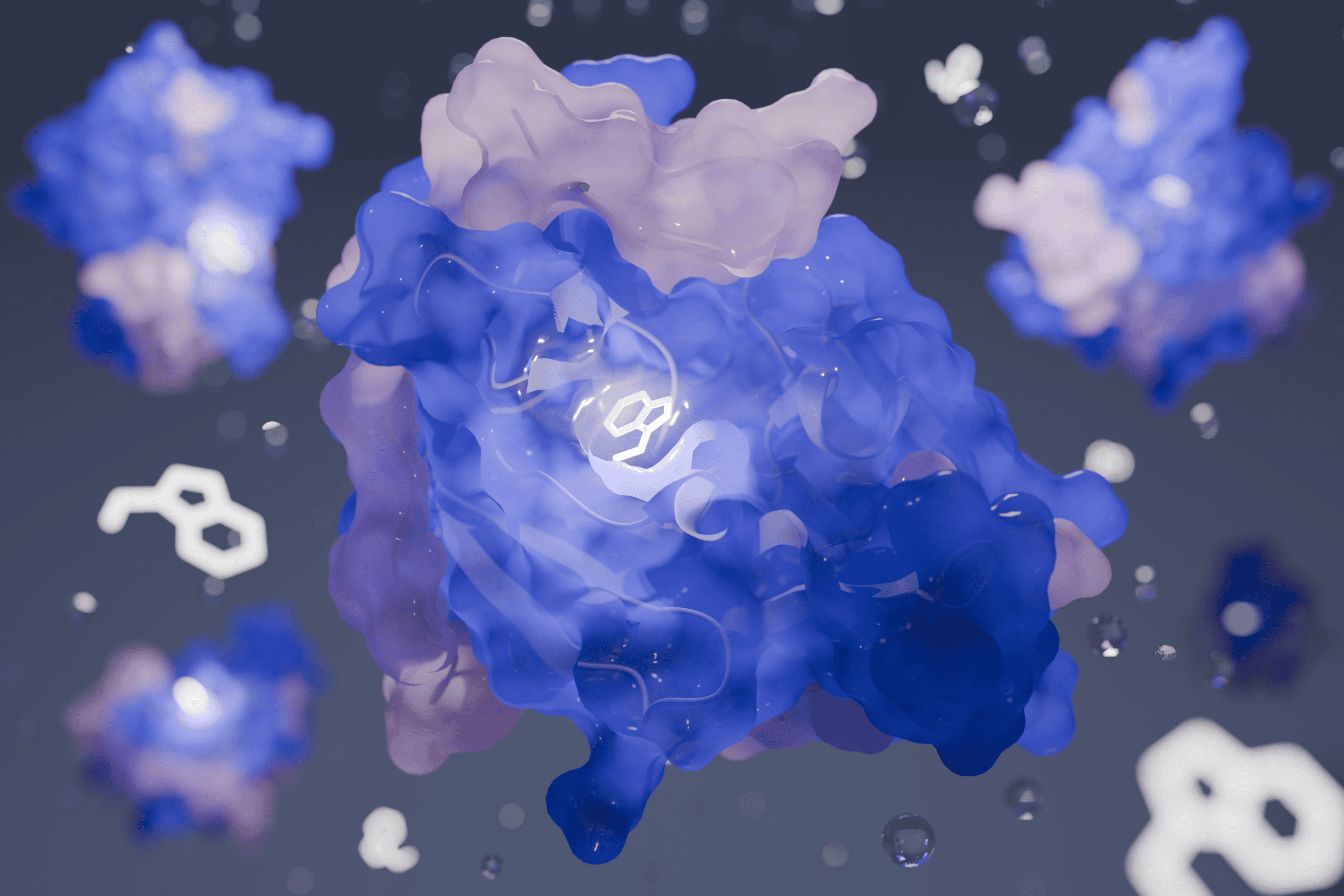
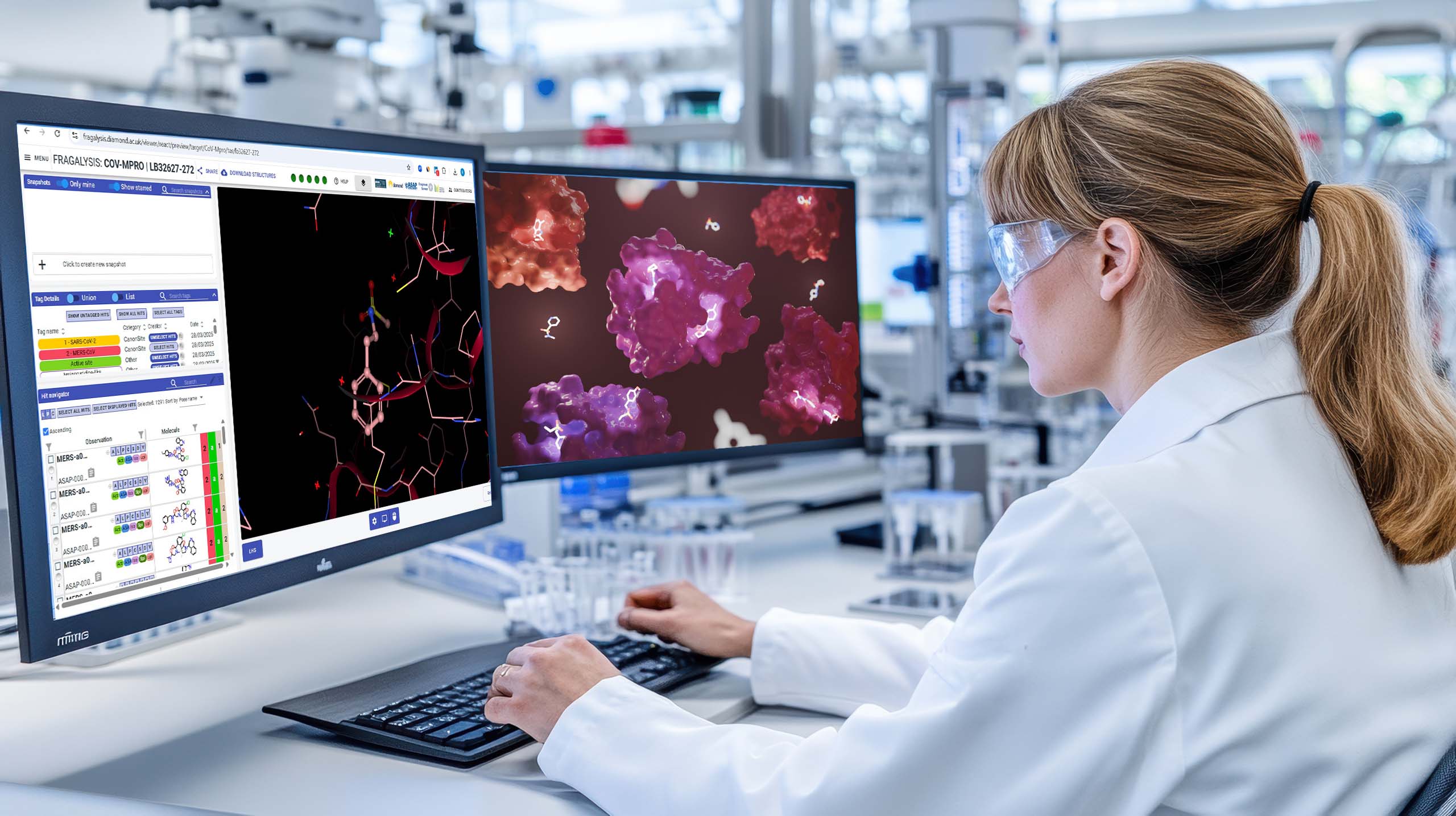
OpenBind has released its first open predictive AI model, marking an important step in building open, data-driven infrastructure for AI-enabled drug discovery.
The model is released alongside OpenBind’s first public experimental dataset, which pairs high-quality protein-ligand structures with robust binding measurements. Together, the data and model provide a foundation for developing and evaluating structure-based AI methods under realistic experimental conditions.
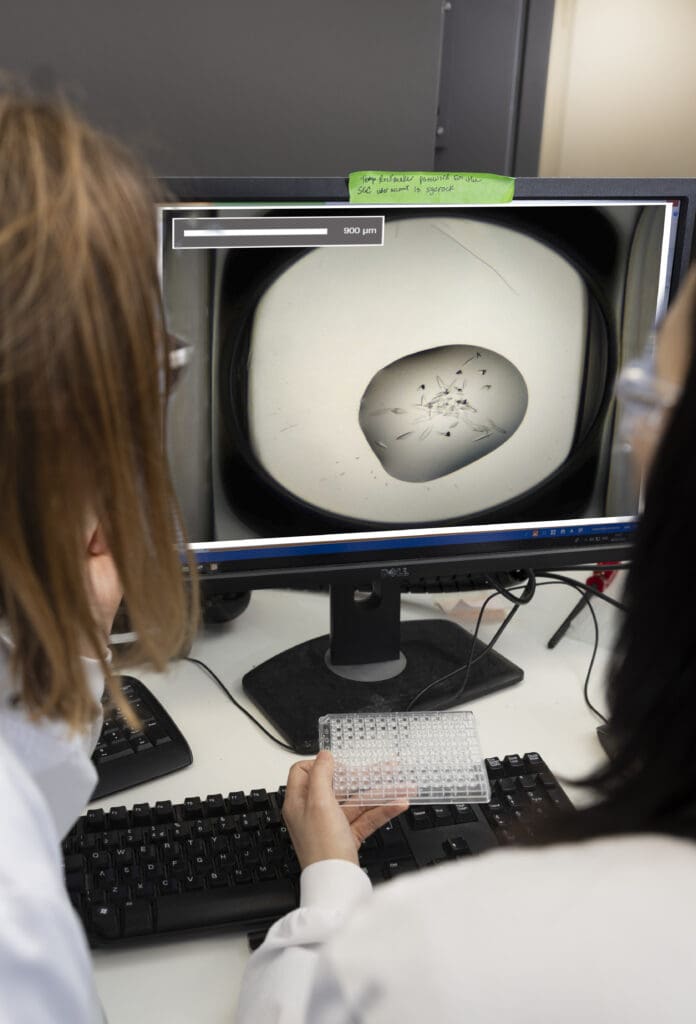
This first release demonstrates that OpenBind’s end-to-end pipeline – from data generation through to model training – is now operational. By combining automated experimentation with iterative model development, the project establishes a framework in which predictions can be tested experimentally and used to continuously improve future models.
Trained on this experimental data, the model is designed to predict how strongly small molecules bind to proteins, enabling researchers to prioritise compounds for testing and benchmark new computational approaches. It is made openly available to the global research community as a downloadable, ML-ready resource.
Both the data and the model are freely accessible and will evolve through regular future releases, supporting community-wide progress in AI-enabled drug discovery.
The model, and associated resources are now available to access.
Read our new blog to discover more about the model, its performance, and new benchmark data that highlight both the promise and limitations of AI for drug discovery.